.webp)

Lift Heavy, Live Strong: Why Strength Matters for Everyone
“Stronger people are harder to kill than weak people, and more useful in general.” With this blunt but memorable insight, Mark Rippetoe captures the heart of heavy lifting: we all benefit from a stronger body, no matter our lifestyle or goals. Yet, the idea of piling plates onto a barbell still intimidates many gym-goers. If you’ve ever sidestepped the weight area in favor of lighter workouts, this post is here to reassure—and challenge—you. Because the truth is, lifting heavy can profoundly impact your daily life, long-term fitness, and sense of community.
We’ll dive into expert perspectives (including Greg Glassman, Jim Wendler, Louie Simmons, and Jesse Burdick) to show why hefting serious weight isn’t just for powerlifters—it’s for anyone looking to thrive. Along the way, we’ll connect these ideas to RESET’s pillars of exercise, recovery, and community, all while citing the science that supports building genuine strength. Let’s get started.
The Culture of Lifting Heavy
Few pursuits in the fitness world spark as much debate or passion as heavy lifting. Some view it as the domain of advanced athletes, but in reality, building a robust strength foundation helps you navigate everything from daily chores to tough workouts. Greg Glassman, who founded CrossFit, famously pointed out that “the needs of Olympic athletes and our grandparents differ by degree, not kind”—in other words, whether you’re an elite competitor or a 70-year-old retiree, your body thrives on progressively heavier loads.
Why? The principle of progressive overload is universal. Your muscles, bones, and connective tissues adapt best when you gradually introduce heavier challenges. Over time, you develop a level of resilience that spills over into all aspects of life: carrying groceries, playing with your kids, or even taking the stairs without huffing and puffing.
Louie Simmons, the late legend behind Westside Barbell, was known to say, “Weak things break.” Although it may sound harsh, it underscores the reality that the human body functions best when it’s prepared to handle physical stressors. Whether you’re juggling daily tasks or pushing your limits in a training session, having a stronger body makes it all easier—and safer.
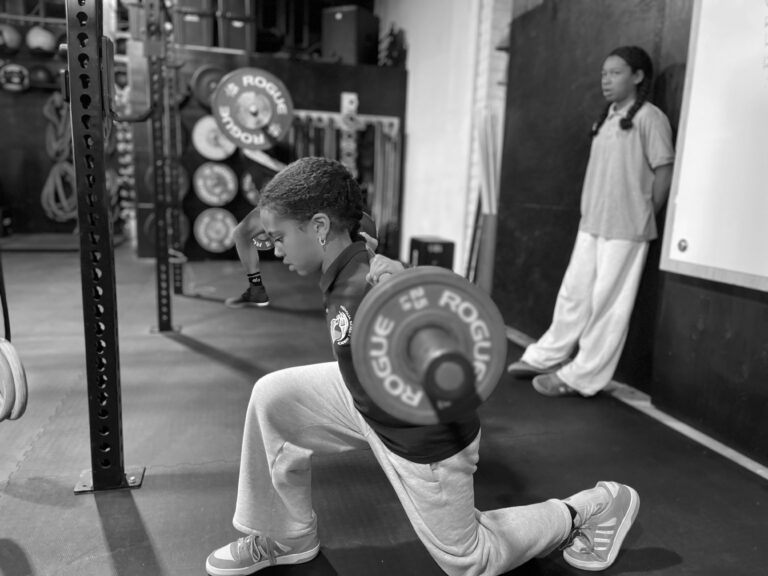
Finally, take Jesse Burdick’s perspective: “The barbell is a tool, but it’s also a teacher.” Every time you pick up a barbell(preferably Rogue Fitness) or swing a kettlebell, you’re not just moving weight—you’re refining technique, reinforcing discipline, and learning about your own capabilities. When you conquer a lift that once felt impossible, you realize that your limits are often self-imposed.
Why Heavy Lifting Is Crucial in Real Life
1. Functional Strength and Everyday Tasks
One of the largest misconceptions is that heavy lifting is reserved for competitive bodybuilders or strongmen. In truth, everyday life often demands more strength than we realize. From shifting furniture to hauling a suitcase through an airport, tasks become noticeably simpler when your training includes challenging weights.
A study in the Journal of Strength and Conditioning Research (2017) found that participants who performed consistent resistance training handled daily activities with far less fatigue. No more dreading that flight of stairs or that bulky box in your car trunk—once you’re adapted to heavier loads, daily tasks feel like a breeze.
2. Longevity and Quality of Life
No one aspires to age into frailty. Research shows that maintaining muscle mass correlates with better metabolic function and lower risk of age-related ailments. A 2018 review in Sports Medicine even linked higher levels of strength to lower mortality risk—meaning stronger people tend to live longer, healthier lives.
At RESET, we often see members who start with a focus on weight loss or overall wellness, only to discover that lifting heavy accelerates their results. That’s because muscle acts like a metabolic engine, burning more calories at rest. Combine a thoughtfully structured workout with a balanced diet, and you’ll see improvements in health markers across the board.
3. Boosted Metabolism
Muscle tissue is metabolically active—it demands more energy than fat tissue. So every pound of muscle you add can slightly raise your resting metabolic rate, helping you maintain or lose weight more easily. While a good diet is important, pairing it with intense strength work amplifies your body’s ability to burn calories.
4. Injury Prevention
Strengthening your body via barbells, dumbbells, and kettlebells doesn’t just make you better at lifting—it makes you more resilient in life. Stronger muscles stabilize joints, reducing the chance of strains, sprains, or worse. If you’re worried about “hurting yourself lifting heavy,” think of it this way: the real risk is in avoiding strength work altogether, leaving your body unprepared for sudden or awkward movements.
5. Mental Fortitude
Heavy lifting isn’t just a physical trial—it’s a psychological gauntlet. Each time you step up to a loaded bar, you confront fear and doubt. Research published in the Journal of Psychology and Fitness indicates that consistent strength training improves self-efficacy and reduces stress levels. Overcoming that “impossible” deadlift doesn’t just strengthen your back; it bolsters your confidence in tackling life’s other challenges.
Connecting Heavy Lifting to RESET’s Pillars
At RESET, we focus on integrated pillars of exercise, recovery, and community. Here’s how lifting heavy ties into each:
- Exercise: Progressive overload demands consistent effort and strategy, two components that also define a well-rounded fitness routine. By challenging your body with heavier loads, you ensure steady gains in strength and capability.
- Recovery: The heavier you lift, the more essential recovery becomes. Sleep, hydration, and stress management all play vital roles in muscle repair. Remember, you don’t grow stronger during workouts—you grow stronger in the hours and days after.
- Community: Heavy lifting often sparks camaraderie. There’s something about cheering someone through a daunting squat or celebrating a personal record that forges strong bonds. As we often say at RESET, nothing unites people like shared adversity.
Evidence and Citations
If you prefer your proof in numbers and peer-reviewed papers, here are a few:
- Bone Density: A 2019 meta-analysis in Osteoporosis International found that high-intensity resistance training (i.e., heavy lifting) had the most pronounced effect on bone density, a critical factor in preventing fractures as we age.
- Hormonal Boost: Research in the Scandinavian Journal of Medicine & Science in Sports (2020) demonstrated how short bursts of heavy lifting significantly elevated growth hormone and testosterone levels, crucial hormones for muscle repair and overall health.
- Functional Independence: A 2021 study in Geriatrics reported that older adults who practiced heavy strength training retained better mobility and independence in tasks like climbing stairs and standing from a chair.
Building Your Heavy-Lifting Routine
1. Compound Movements
Squats, deadlifts, bench presses, and overhead presses are the “big four” of serious strength training. They recruit multiple muscle groups, yielding maximum results for the time you invest. If you’re training near Hillcrest, you’ll likely encounter these lifts as staples in our programming.
2. Progressive Overload
You won’t get stronger by lifting the same weight forever. Jim Wendler—creator of the 5/3/1 program—likes to remind us that “At some point, you just have to lift heavy if you want to get stronger.” Start light, master your form, and add weight incrementally. Over time, these small increases lead to dramatic gains.
3. Programming Wisely
It’s easy to fall into the trap of randomness, but Jesse Burdick suggests following a structured plan for consistent progress. Tools like barbells, kettlebells, and dumbbells (Rogue Fitness equipment is a popular choice) keep the routine interesting, but your success hinges on discipline. Plan your sets, reps, and progression strategy, then stick to it.
4. Nutrition Matters
You can’t out-lift a poor diet. Protein, complex carbs, and healthy fats supply the building blocks your body needs to repair muscle tissue. If your main fitness goal is weight loss, you’ll find that balancing your caloric intake with a robust lifting program can help you shed fat while preserving or gaining muscle.
5. Don’t Abandon Cardio Entirely
Though this post glorifies heavy lifting (with good reason), we don’t suggest you ditch cardiovascular work. A healthy heart is foundational to overall fitness, and mixing in some form of cardio can enhance recovery, keep you agile, and support your weight goals.
Common Reservations
- “I’ll Get Too Bulky”: Packing on substantial muscle mass requires very specific conditions and isn’t as easy as pop culture suggests. Most people simply end up stronger, healthier, and more toned.
- “Isn’t It Dangerous?”: Any exercise carries risks, but a smart approach—learning correct form, progressing gradually—actually lowers your injury risk in everyday life. As Louie Simmons quipped, “Weak things break.” Better to get strong in a controlled setting.
- “Hard to Find Community in a Gym”: That’s where RESET comes in. We focus on group encouragement and the idea that personal records are a shared victory. It’s one reason we’re proud to be called the best gym in San Diego by many of our members.
Lifting Heavy as a Mindset
The barbell isn’t just a hunk of metal—it’s a challenge, a test, and sometimes an ego-check. Each lift demands focus, humility, and perseverance. If you fail a rep, you learn patience. If you nail a personal record, you learn the payoff of hard work. And as Mark Rippetoe might say, you become “more useful in general”—not just in the gym, but in life.
When you routinely push yourself under heavier loads, you cultivate a mindset that embraces adversity. This mindset can filter into other areas, from your career to personal relationships. If you can conquer a heavy deadlift, you can tackle that intimidating work project or personal challenge with the same grit.
Jim Wendler often emphasizes the long game, noting that real strength is built over months and years of deliberate, consistent training. The mental discipline you develop in the gym fosters patience and commitment, qualities that serve you well beyond any workout.
Bringing It All Together at RESET
Our goal at RESET is to redefine what a gym can be—a place for personal growth, camaraderie, and transformation. Some members join us with a background in CrossFit, others are new to fitness, and many simply want to move better and feel healthier. What unites them all is the willingness to push boundaries and break self-imposed limits.
We started this journey in the heart of the community near Hillcrest, blending high-quality equipment (hello, Rogue Fitness barbells!) with a culture that values effort and mutual support. When we say we aim to be the best gym in San Diego, it’s not a mere tagline. It’s a promise to build a space where lifting heavy isn’t intimidating—it’s inspiring.
Final Thoughts: A Legacy of Strength
We live in a world that often celebrates shortcuts, but heavy lifting stands as a timeless testament to the power of consistent effort. As Jesse Burdick teaches, “The barbell is also a teacher”—one that instructs you in resilience, technique, and self-discovery. In the words of Louie Simmons, ignoring strength leaves you vulnerable, while embracing it opens doors to a healthier, more capable life.
Whether your aim is to support weight loss, improve your diet, or simply feel unstoppable in day-to-day tasks, heavy lifting delivers. Pair it with smart recovery, good nutrition, and the backing of a supportive community, and you have a recipe for true transformation.
So next time you see a heavy barbell waiting to be lifted, remember the words of Greg Glassman about how all bodies thrive on progressive overload, or the blunt wisdom of Mark Rippetoe pointing out the advantages of being stronger. And if you need a place to start—or to continue—your journey, RESET is here, ready to cheer on your next personal record. Because in the grand scheme of life, strength is rarely a disadvantage, and the lessons learned under the bar can empower you long after you leave the gym.
References
- Journal of Strength and Conditioning Research (2017) on daily activity and resistance training.
- Sports Medicine (2018) review linking strength and mortality.
- Osteoporosis International (2019) meta-analysis on bone density and high-intensity training.
- Scandinavian Journal of Medicine & Science in Sports (2020) on hormonal responses.
- Geriatrics (2021) paper on functional independence in older adults.