.webp)
My parents came down to visit their grandchildren this weekend. Not me, of course. Once grandchildren enter the picture, your own children become little more than administrative intermediaries. We arrange the visits, coordinate meals, and occasionally receive a polite inquiry about how work is going before everyone returns their attention to the people who actually matter.
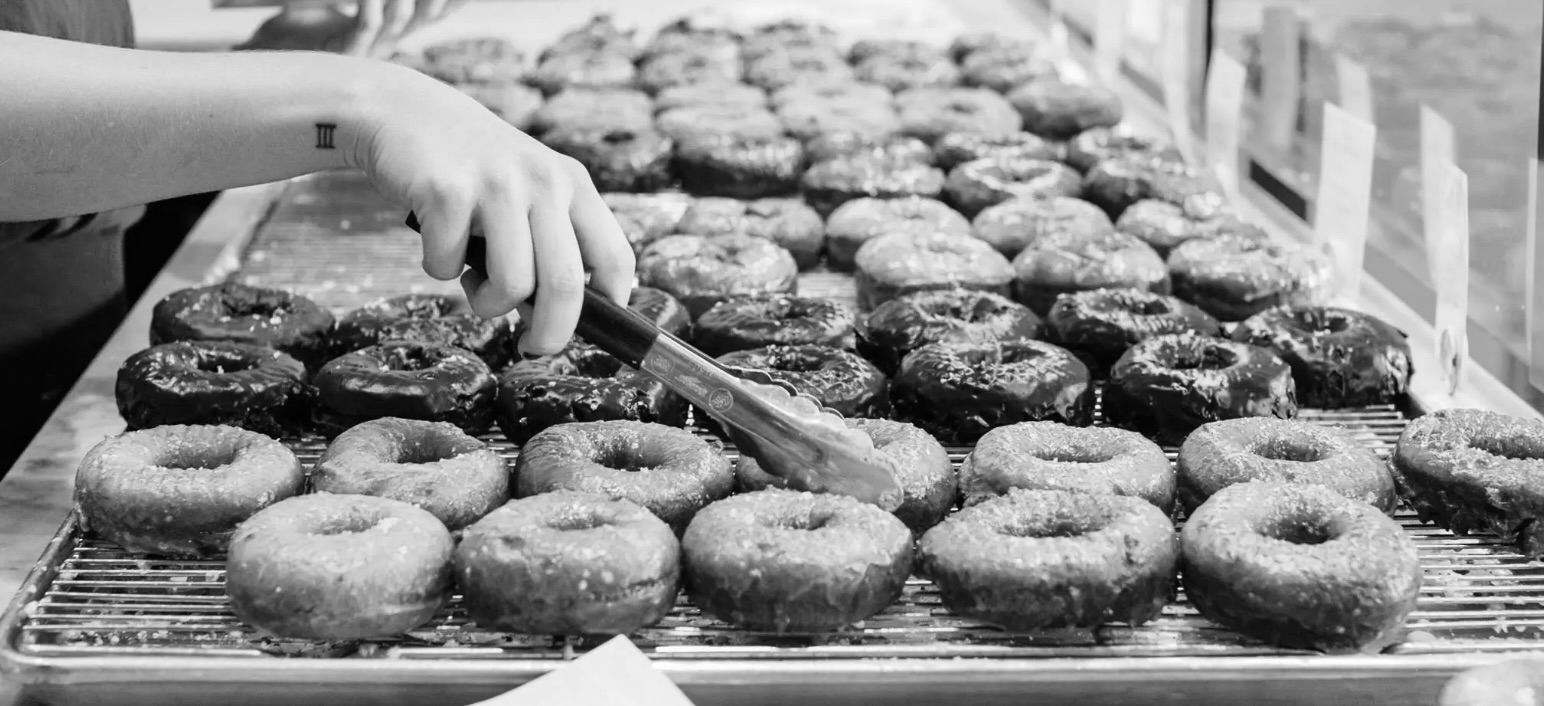
They brought us donuts. A lot of donuts. I considered being upset with them. Then I wanted to shout at them. Parents have such a unique and powerful way to get under your skin. But since I had specifically instructed them to stop at Sidecar and pick up what could reasonably be described as a discount warehouse sized pallet of donuts, my outrage felt a little inauthentic. Or perhaps hypocritical. Either way, I ate the donuts. And they were magnificent. Someone definitely traded their soul to the prince of darkness for that butter and salt donut recipe. Worth it. There is something satisfying about a pastry that has absolutely no ambition beyond being delicious. It isn't trying to improve your gut microbiome, boost your testosterone, or optimize your mitochondrial function. It's fried dough covered in sugar. It knows exactly what it is, and I respect that.
Unfortunately, my digestive system was less enthusiastic. I felt like crap almost immediately. Bloated, sluggish, uncomfortable, and generally uninterested in doing anything requiring physical effort. Naturally, I responded by eating more donuts. This is one of the more fascinating features of human behavior. We can recognize that something is making us feel terrible and still decide the appropriate response is another serving. Things stayed off the rails for about a day and a half before I got my crap back together. Because I am borderline obsessive about weighing myself, I was curious to see the damage. Surprisingly, there wasn't much. Changes in carbohydrate and sodium intake can cause temporary water retention, so even a jump on the scale wouldn't necessarily mean much. Body fat doesn't appear overnight, and meaningful progress doesn't disappear because your parents brought enough pastries to provision a cruise ship.
But the more interesting consequence wasn't what happened to my weight. It was how I felt. And that got me thinking about something we don't talk about nearly enough in fitness: You have to know what feeling good feels like before you can recognize how bad you've been feeling.
There's a strange thing that happens when you feel lousy for a long time. I am talking years and possibly even decades for some folks. Eventually, you stop noticing. You're tired when you wake up, but that's just mornings. You get sleepy after lunch, but that's what happens after lunch. Your stomach feels uncomfortable most evenings, but you've always had a sensitive stomach. Your knees hurt getting off the couch, but you're getting older. You haven't slept through the night in months, but you're busy, stressed, and have a lot on your mind. Every symptom has an explanation. Every explanation seems reasonable. Eventually, you stop asking whether things could be different. Familiar becomes normal, and normal becomes acceptable.
The human body is extraordinarily adaptable. We adjust to our environments, routines, and physical circumstances. We can function under conditions that are far from ideal. But survival and thriving are not the same thing. You can function on inadequate sleep, work a demanding job while eating poorly, and go years without meaningful exercise while still managing daily life. You can become accustomed to being short of breath on stairs or feeling stiff every morning. The fact that you can tolerate something doesn't mean it's serving you.
Psychologist Daniel Kahneman explored how expectations, comparisons, and memories influence our judgments about well-being in Thinking, Fast and Slow. We aren't always particularly good at objectively evaluating our own circumstances. So when someone tells me they feel fine despite sleeping five hours a night, rarely exercising, and eating most of their meals from a drive-through window, I believe that they believe it. But I also wonder: compared to what? Maybe they genuinely feel great. People vary enormously in their responses to food, sleep, and exercise. But perhaps they've forgotten what feeling really good feels like, or never experienced it for a meaningful stretch of time.
One of the most useful things about building healthy habits is that eventually you begin noticing the difference when you abandon them. Consider sleep. Matthew Walker, the neuroscientist and author of Why We Sleep, has helped bring widespread attention to its importance. Although some of his more dramatic claims have been debated, the broader research is clear: adequate sleep supports attention, mood, metabolic regulation, and recovery. In a controlled study published in Annals of Internal Medicine, researchers found that participants restricted to 5.5 hours of sleep per night during a calorie deficit lost a smaller proportion of their weight as fat than participants sleeping 8.5 hours. They also reported greater hunger. That's a compelling argument for getting to bed, particularly if you're trying to improve body composition. (Nedeltcheva et al., 2010)
Food can produce a similar contrast. When you're regularly eating meals built around protein, vegetables, fruit, whole grains, and reasonable portions, you may notice more predictable hunger, better digestion, and steadier energy. Not everyone experiences all those changes, but for many people the difference becomes obvious once they've established a healthier routine. Then someone brings home a pallet of donuts and you're reminded that your previous baseline wasn't guaranteed. It was something you built through hundreds of small decisions. Good health isn't just something you measure. It's something you experience. We spend enormous amounts of time discussing body fat percentages, cholesterol, resting heart rates, blood glucose, and VO2 max. Those numbers matter, but so does waking up with energy, enjoying a meal without discomfort, or finishing a workout feeling accomplished rather than destroyed.
One of my favorite nutrition studies comes from Kevin Hall and his team at the National Institutes of Health. In 2019, they published a randomized controlled trial in Cell Metabolism comparing ultra-processed and minimally processed diets. Twenty adults spent two weeks eating each type of diet under controlled conditions. The meals were designed to be similar in the calories and key nutrients offered, and participants could eat as much or as little as they wanted. On the ultra-processed diet, participants consumed approximately 500 additional calories per day and gained weight. On the minimally processed diet, they ate less and lost weight. The study was small and short, but it demonstrates something important: food choices can influence how much we eat, even when we think we're making decisions based entirely on hunger. (Hall et al., 2019)
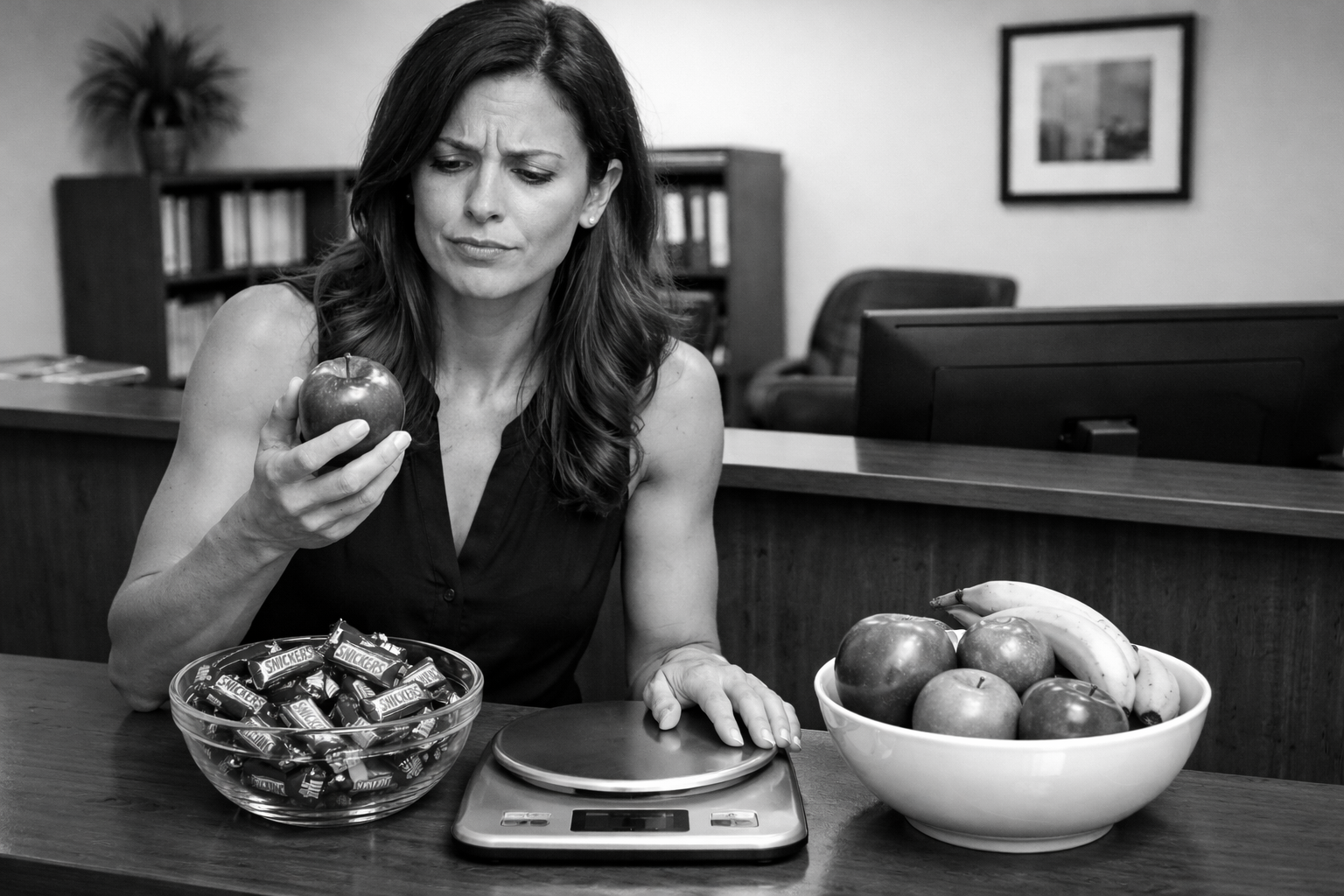
Nutrition scientist EC Synkowski, founder of OptimizeMe Nutrition, has built much of her work around making nutrition simpler. Her 800g Challenge encourages people to eat 800 grams of fruits and vegetables daily without requiring them to eliminate everything they enjoy. I love that approach because it gives people something productive to do instead of another reason to feel guilty. Eat more plants. Get enough protein. Pay attention to portions. Make choices that support your goals most of the time. And when you eat three donuts on Saturday, perhaps don't interpret that as permission to eat another seven on Sunday.
Exercise also changes how we feel in ways that have nothing to do with body composition. A large 2023 systematic review published in the British Journal of Sports Medicine found that physical activity interventions improved symptoms of depression, anxiety, and psychological distress across a wide range of populations. Someone who starts exercising might first notice that stairs become easier or weights feel lighter. Over time, they may also experience improved mood, greater confidence, and a better ability to manage stress. These habits reinforce one another: better sleep can make exercise easier, exercise can improve sleep, and nutritious meals support training and recovery. (Singh et al., 2023)
Most people approach fitness by trying to raise their ceiling. They want to lift more, run faster, lose twenty pounds, or accomplish something new. Those are worthy goals. I love watching people discover new capabilities. But what if we spent a little more time raising the floor? What if the goal wasn't to feel incredible on your best days, but to feel pretty damn good on most days? What if you could wake up with energy, move without unnecessary discomfort, and finish work with enough left in the tank for your family and friends? That's an enormous improvement in quality of life, even if your deadlift never increases by another pound.
Peter Attia, physician and author of Outlive, has helped popularize the distinction between lifespan and healthspan. His work emphasizes preparing our bodies for the demands of life decades from now. I agree wholeheartedly, but we should also prepare our bodies for the lives we want to live this afternoon. Can you get through your workday without feeling drained? Play with your kids after dinner? Go hiking Saturday without needing a week to recover? These aren't small things. They're the substance of everyday life.
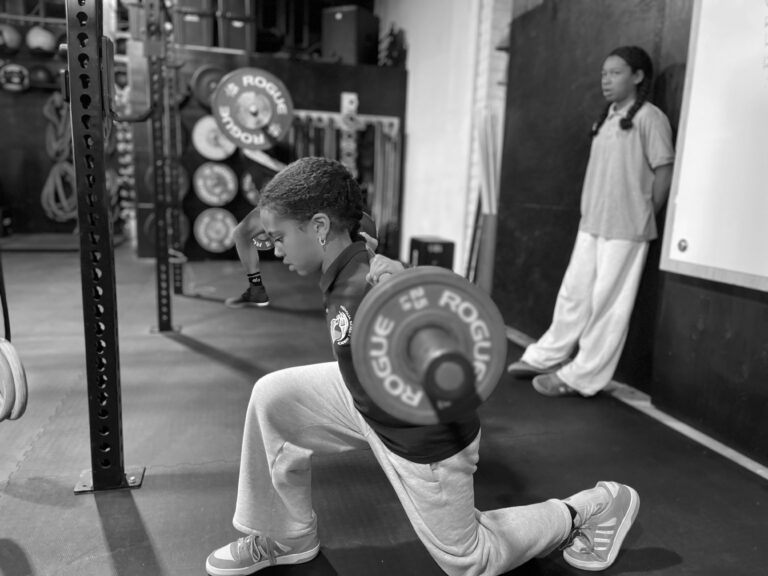
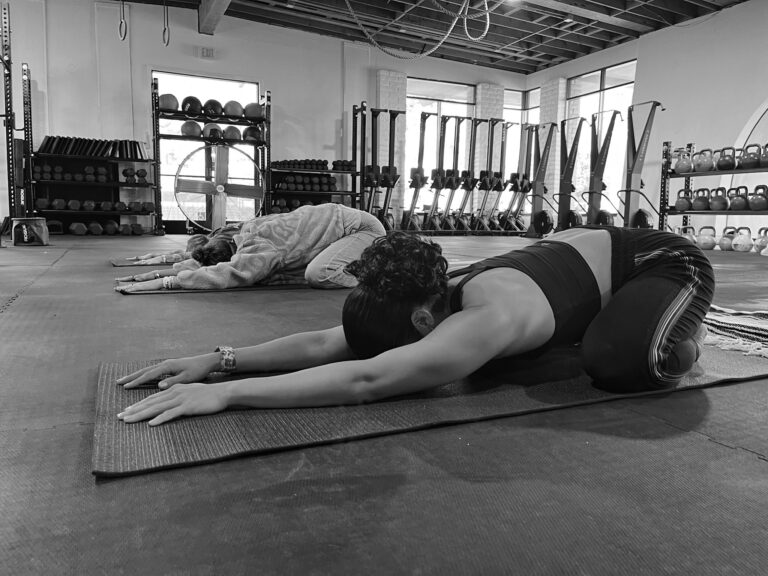
At RESET, people often arrive with specific goals. Maybe they want weight loss or more muscle. Maybe they've been searching for the best gym in San Diego and decided to try CrossFit. Those goals are useful starting points, but rarely the whole story. As we get to know someone, we often discover that what they really want is to feel like themselves again. They want energy, confidence, and a body that doesn't limit their participation in life. Sometimes the most meaningful progress isn't measured with a barbell or bathroom scale. Sometimes it's realizing you haven't felt this good in years.
Of course, there's a trap here. Once you notice how much better you feel when you take care of yourself, it's tempting to treat every imperfect choice as a personal failure. I don't think that's useful. Food is more than fuel. It's culture, celebration, pleasure, and connection. My parents bringing donuts for their grandchildren was wonderful. We enjoyed a weekend together and made memories. None of that becomes less valuable because I felt bloated afterward. I also don't want to live in a world where every meal requires a moral assessment. My unread emails alone could keep a therapist employed full-time.
The important distinction is between noticing a consequence and assigning a judgment. I can recognize that several donuts made me feel lousy without deciding that eating donuts makes me a lousy person. I can acknowledge that my choices weren't aligned with my goals without declaring the weekend a failure. And I can make a better choice at the next meal without punishing myself through starvation or a brutal workout. One of the most damaging patterns in fitness is believing unhealthy choices must be compensated for through suffering. Eat too much Saturday? Skip breakfast Sunday. Have dessert? Add an hour of cardio. That turns exercise into punishment and food into something that must be earned. Neither is a particularly healthy relationship.
James Clear makes a useful observation in Atomic Habits about returning to good behaviors after an interruption. The danger isn't missing one opportunity to practice a habit. It's allowing that interruption to become a new pattern. That's how I approach weekends like this one. I don't need to make up for the donuts. I simply need to return to the behaviors that make me feel good: a normal meal with protein and vegetables, water, movement, sleep. Then do it again tomorrow. There's no dramatic redemption arc required.
If there's one thing I hope people take away, it's that you shouldn't assume the way you feel today is the best you're capable of feeling. Maybe you're tired because life is busy, or your digestion is uncomfortable because of something you're eating. Maybe you're not moving or sleeping enough. Maybe there's a medical issue that deserves attention. Not every symptom is a lifestyle problem, and persistent fatigue, pain, or digestive trouble shouldn't simply be accepted. Whatever the cause, it's worth getting curious.
What would happen if you spent the next month taking really good care of yourself? Not perfectly. Just consistently. Prioritize sleep, eat mostly real food, exercise regularly, and pay attention to how your body responds. You might lose fat, build muscle, or improve your workouts. But you might discover something more valuable: you've been settling for feeling lousy because you didn't know another option existed. Once you establish a better baseline, you have something to compare against. You recognize when your habits serve you and when they don't.
My parents will visit again. They probably won’t bring donuts again, especially if I ask them not to. I'll remember how good I feel when I'm consistently taking care of myself, and I'll be a little more interested in getting back to that feeling than in finishing the box. Because the real reward of healthy living isn't that you never feel bad. It's that feeling good becomes something you expect, rather than something you hope for. And that's a standard worth raising.